How to Increase Protein Intake
Hitting a protein target is much easier when meals are built on purpose, rather than pieced together at the end of the day. If breakfast is mostly toast, lunch is mostly pasta, and dinner is whatever is left in the fridge, protein often becomes an afterthought.
A smarter approach is simple: start each meal with a protein source, then add carbs, vegetables, fruit, fats, and extras around it. This gives each meal structure and makes your daily target far more realistic.
This article is for general nutrition education only. If you have a medical condition, dietary restriction, or specific health goal, speak with a qualified professional.
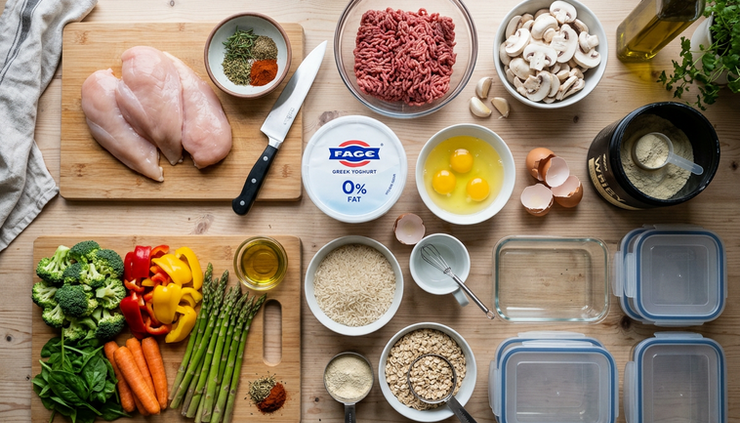
Build every meal around protein first
The easiest way to increase protein intake is to stop asking, “What do I fancy eating?” and ask, “What is my protein source?”
Once that is clear, the rest of the meal becomes easier to build.
For example:
Chicken breast with rice and broccoli
5% fat beef mince with potatoes and salad
0% fat Greek yoghurt with berries
Egg whites with protein sourdough
Whey protein
This does not mean every meal has to be plain or repetitive. It means there is a clear anchor. Protein comes first, then flavour, texture, and balance are added around it.
A useful rule is to include one meaningful protein source at every meal. Small amounts from bread, pasta, nuts, or vegetables can contribute, but they usually should not be the main plan if the goal is a higher protein day.
Choose foods with a strong calorie to protein ratio
Some protein foods give you a lot of protein for relatively few calories. These are especially useful when calories are limited or when appetite is low.
Good options include:
Protein source | Why it works well |
Chicken breast | Very high in protein and low in fat |
5% fat beef mince | Higher protein than fattier mince, still rich and filling |
0% fat Greek yoghurt | Easy to use at breakfast, as a snack, or in sauces |
Whey protein | Convenient when cooking is not practical |
Egg whites | High protein, very low fat, easy to add to meals |
That does not mean higher-fat foods are bad. Salmon, whole eggs, cheese, nuts, and fattier cuts of meat can all fit into a good diet. They simply bring more calories with them, so portions matter more.
If the goal is to hit protein without overshooting calories, leaner choices make the maths easier.

Plan your day before you start eating
Meal planning does not need to be complicated. The key is to map out the day before the day runs away from you.
A simple plan might look like this:
Breakfast Greek yoghurt and berries
Lunch Chicken breast, rice, mixed vegetables, and light sauce
Snack Protein shake or yoghurt
Dinner 5% fat beef mince, potatoes, salad and salsa
The benefit is control. Before eating anything, you can look at the day as a whole and adjust. If protein is too low, add egg whites at breakfast or increase the chicken at lunch. If calories are too high, reduce rice, oil, sauces, or snacks while keeping the protein source in place.
This is where smart meal planning really helps. Instead of trying to fix your numbers at 9 pm, you set them up early.
Prep enough food to remove guesswork
Preparation is not about spending all Sunday in the kitchen. It is about making the next good choice easier.
Cook a few protein sources in advance and keep them ready in the fridge. For example, batch cook chicken breast, lean mince, boiled eggs, or turkey pieces. Keep quick options available too, such as Greek yoghurt, whey protein, tuna, cottage cheese, or egg whites.
A useful prep routine could be:
Cook two or three protein sources
Portion them into containers
Prepare easy carbs such as rice, potatoes, wraps, or pasta
Keep vegetables washed, chopped, or frozen
Track the plan before the day begins if you monitor calories
When food is ready, protein targets feel less like discipline and more like default behaviour.
Make protein easy at breakfast and snacks
Many people fall short because breakfast and snacks contain very little protein. A small change here can lift the whole day.
Try these swaps:
Swap cereal alone for Greek yoghurt with fruit
Add whey protein to porridge
Use egg whites with whole eggs in an omelette
Choose a high protein yoghurt instead of a low-protein dessert
Keep a protein shake available for busy days
These changes are simple, but they add up quickly. They also reduce the pressure on dinner to do all the work.
The takeaway
Increasing protein intake is easier when each meal starts with one question: what is the protein source?
Choose lean, high-protein foods often. Add carbs and vegetables around them. Plan the full day before eating, then adjust portions so your calories and protein target both fit.
Do that consistently, and protein stops being a struggle. It becomes part of how you build meals.


Comments